
What do you think of art? Do you like it?
Be honest… Have you ever found yourself secretly (or openly) thinking it’s all a pretentious bundle of cr@p? You wouldn’t be alone. If you’ve ever caught 30 seconds of a televised art auction, you’ll know how crazy the Art Market and it’s associated world of the disgustingly privileged can be. Smug people snooting around and buying expensive splatter-paintings to fill their cavernous hallways and impress other smug people you say? I couldn’t possibly comment…
Art has unfortunately garnered a bit of stigma along the way, thanks to it’s sticky imperial, colonial and classist history. It was historically used by a small elite, to separate people with status from those without; to intimidate and exclude. The word ‘art’ still carries an alienating air of loftiness today, which creates resistance and means it’s potential for enriching our own, ordinary lives remains largely untapped.
We need to take it back.
Art is for everyone.
I believe that art – contrary to it’s public image – can be deeply relevant to your own life. You don’t have to sculpt like Michelangelo to be an artist. Not everyone has crazy drawing or musical skills, but that doesn’t mean they can’t do artistic things and reap the rewards. Picasso once said “it took me 4 years to learn to paint like Raphael, but a lifetime to paint like a child”. Some of the most successful artists have made a living out of stick-men doodles. Even if you don’t have plans to become the next Turner Prize winner, the benefits of employing a little art practice in your life can be surprising.
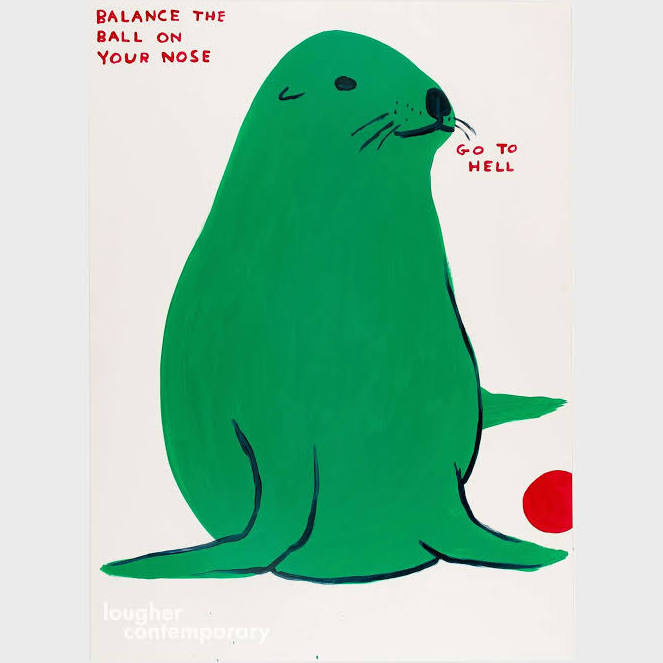
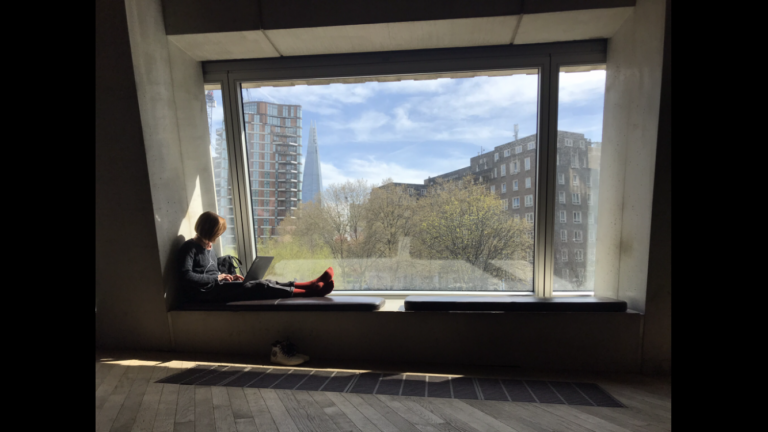
Art can help you to think better.
Getting creative with pen and paper (or whatever material you have to hand) can do wonders for a mind clogged up with deadlines, responsibilities, problems and worries. In a similar way to physical activities like dance or sport – drawing, painting or making something engages your body and mind in a different way than it’s probably used to through the course of a normal day. Your conscious, problem-solving brain (the pre-frontal cortex) is allowed some respite, as other systems in the brain (dealing with hand-eye co-ordination, vision and tactile experience) take the reins for a bit. This means that your mind has space to wander, daydream and make new connections, which can ultimately lead to more efficient solutions to life’s big, knotty problems.
You’ve probably heard of the ‘flow’ state, where people lose themselves completely in whatever activity they’re fully engaged in. Art is great way to get into this state; and when you’re really engrossed in something, who cares about the outcome? The important part is the process.
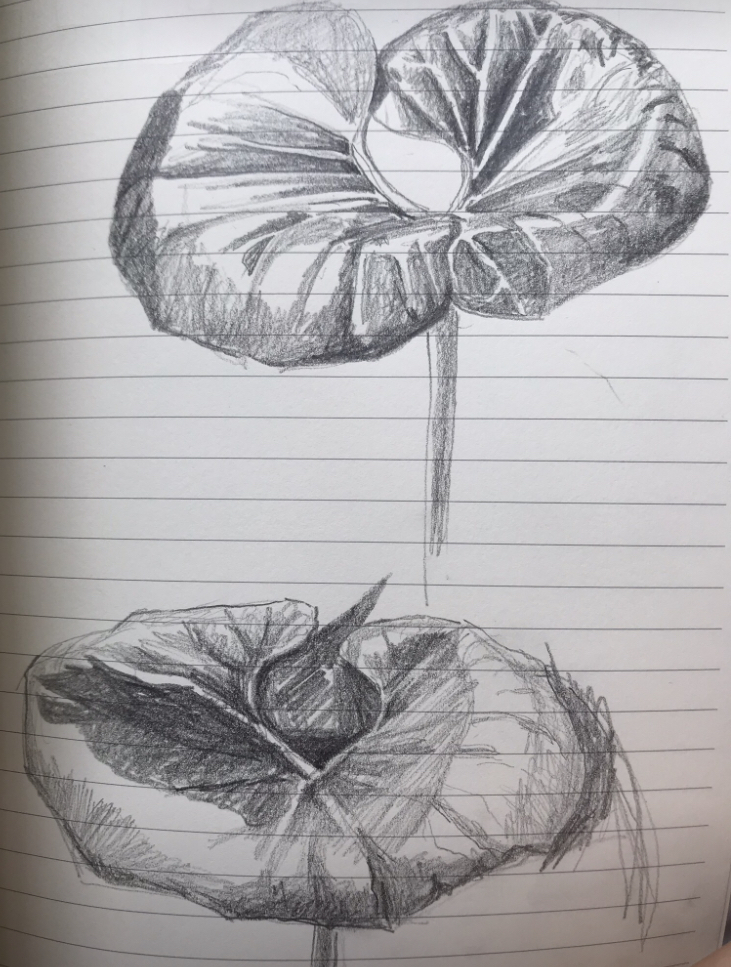
Art can give your life balance
Do you feel trapped in the daily grind? Most of us spend our days pounding away on the relentless hamster-wheel of modern life. Work, errands, bills, cleaning, appointments, more work……. hard to avoid completely if you want to keep a roof over your head in these times. However, I think we subscribe too willingly to that idea of being trapped and powerless. There are lots of ways we can give ourselves space to be more than just cogs in the machine, and I believe that having a regular creative practice is one of them. Whether its carving tiny wooden models of colleagues in your lunch break, sketching rooftops from your kitchen window, writing short stories and songs for your cat, designing woolly hats for chickens, making abstract patterns with ink, or just colouring in old train tickets… whatever takes you out of the day-to-day drudgery is a valuable tool for maintaining a sense of yourself as a human being in a society where your value is mostly dependent on productivity.

Getting started
This is always the hardest part, but I would like to try and make it slightly easier.
(I’ll be going into greater detail on how to make art a part of your life in future posts – with practical step-by-step guides, so watch this space).
The first and most important step to take is to let go of preconceived ideas you have about what art is or should be, or about what an artist is. You don’t have to give up your day job and live in a loft. You don’t need to be ‘good’ at drawing. You don’t even need to know exactly what you want to make or why. All you need is the willingness to try something new, and the self-esteem to allow for plenty of mistakes. Take a sketchbook into work and doodle on your lunchbreak, or dig around in the recycling and make some collages on the kitchen table. Start small and keep going.
I firmly believe than art is for everyone. That includes you. So pick up a pencil, or stick, or other mark-makey tool and get scribbling.

Very true and very well written.
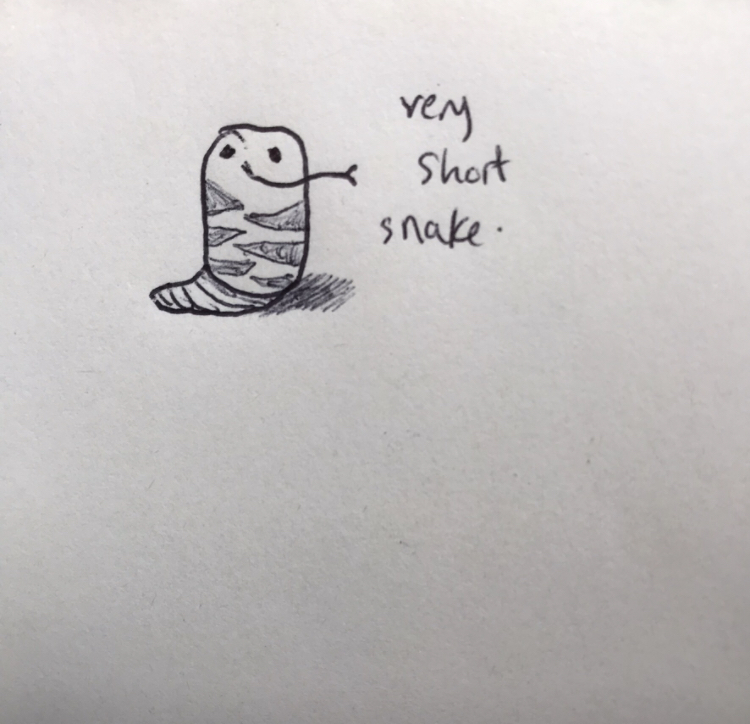
And short snake is short.
Thank you sir:) He is a short boy indeed
[…] we talked about in Art for Everyone, getting creative can be helpful to everyone, no matter your skill-level or experience – but […]