
Scared of the Sketchbook?
– 5 Simple Steps to Fearless Drawing

You’ve just splashed out on a brand new sketchbook (pricier than they used to be, thanks to the state of the world) and open it for the first time. Leafing through the clean, perfect pages, you quietly resolve to yourself that this will be the one you don’t mess up; the one reserved exclusively for beautiful immaculate drawings. This is the one….
So you keep it very safely stowed away in a drawer and only bring it out occasionally, when you’re feeling brave and are all geared up for a full day of careful, measured work. After a few months you realise it’s only been used a handful of times and the drawings you’ve produced are actually pretty boring. What a waste!
This has happened to me more than a few times. I’ve come to the conclusion that, much like other areas of life, if you’re not willing to take risks, you won’t get very far at all. All of the determination to keep it clean and beautiful just results in a rather timid and uninspiring collection of images.
Sketchbooks aren’t supposed to be beautifully presented. They’re the place to experiment; where you can make all the mistakes in the world and not feel bad about it. Arguably all innovation and great ideas can only come from the steaming rubble-pile of past failures, so why are we so afraid of making mistakes?
I’ve developed some simple steps to overcome this creative paralysis.
1. Give up on the way it looks
It’s easy to get caught up with the way things look in art, after all, what else is there?! But in order to make something which is exciting and truly visually interesting, we’ll need to give up on the way things look for a bit. (Bear with me…). This is easier said than done. As creative people, we’ve all been in the position of looking up from some work after just making a beautiful mark or line and thinking “yeah that’s great. I like that” and then we’re so scared of ruining it that we stop working on it, before it’s really taken off. I say let the beautiful bits go. Don’t get too attached to drawings. Accept that many of them are going to look a bit sh*t. Something better will happen if you have the courage to let go of your favourite parts.
2. Allow your pen/pencil/brush to run wild
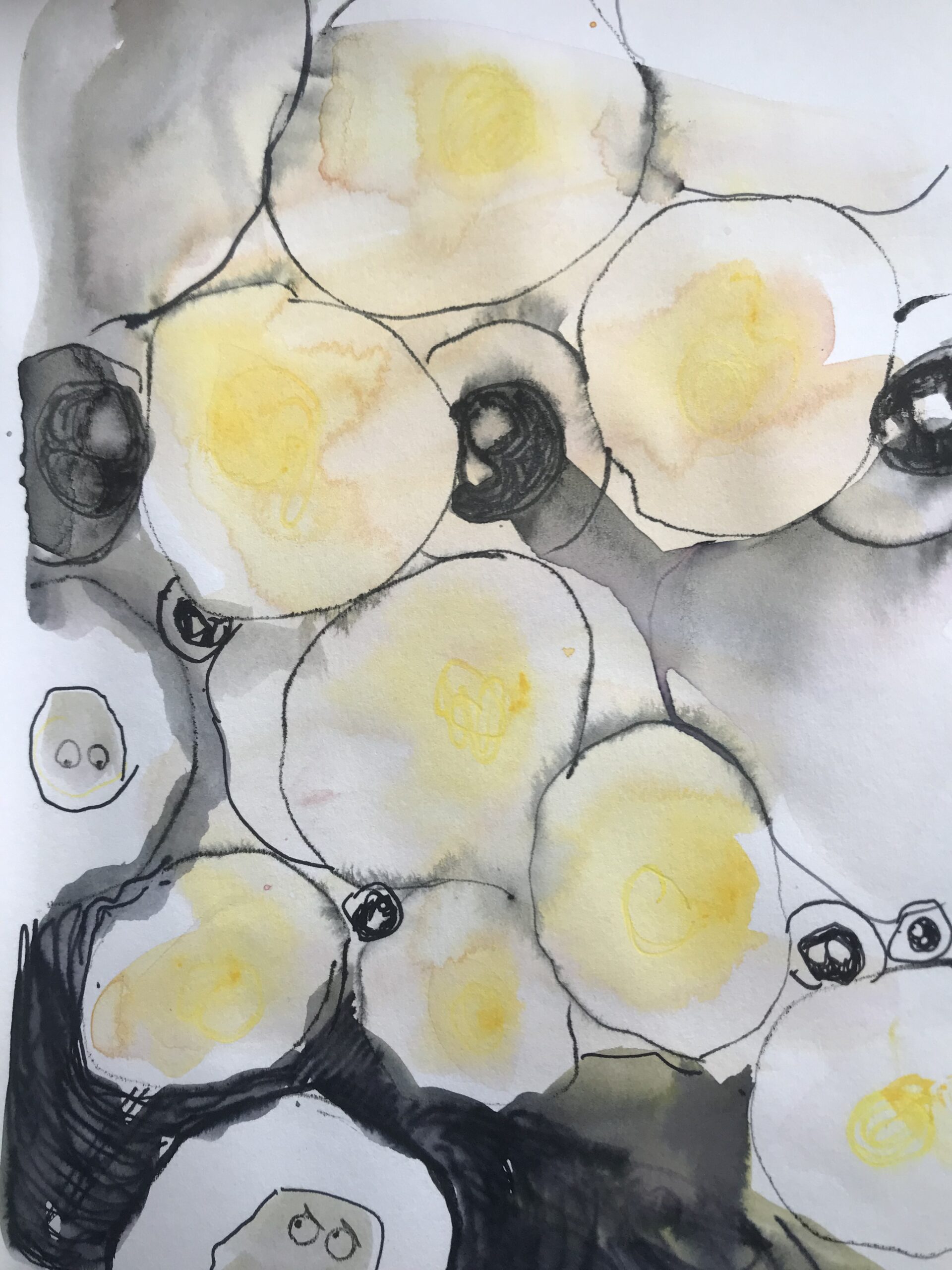
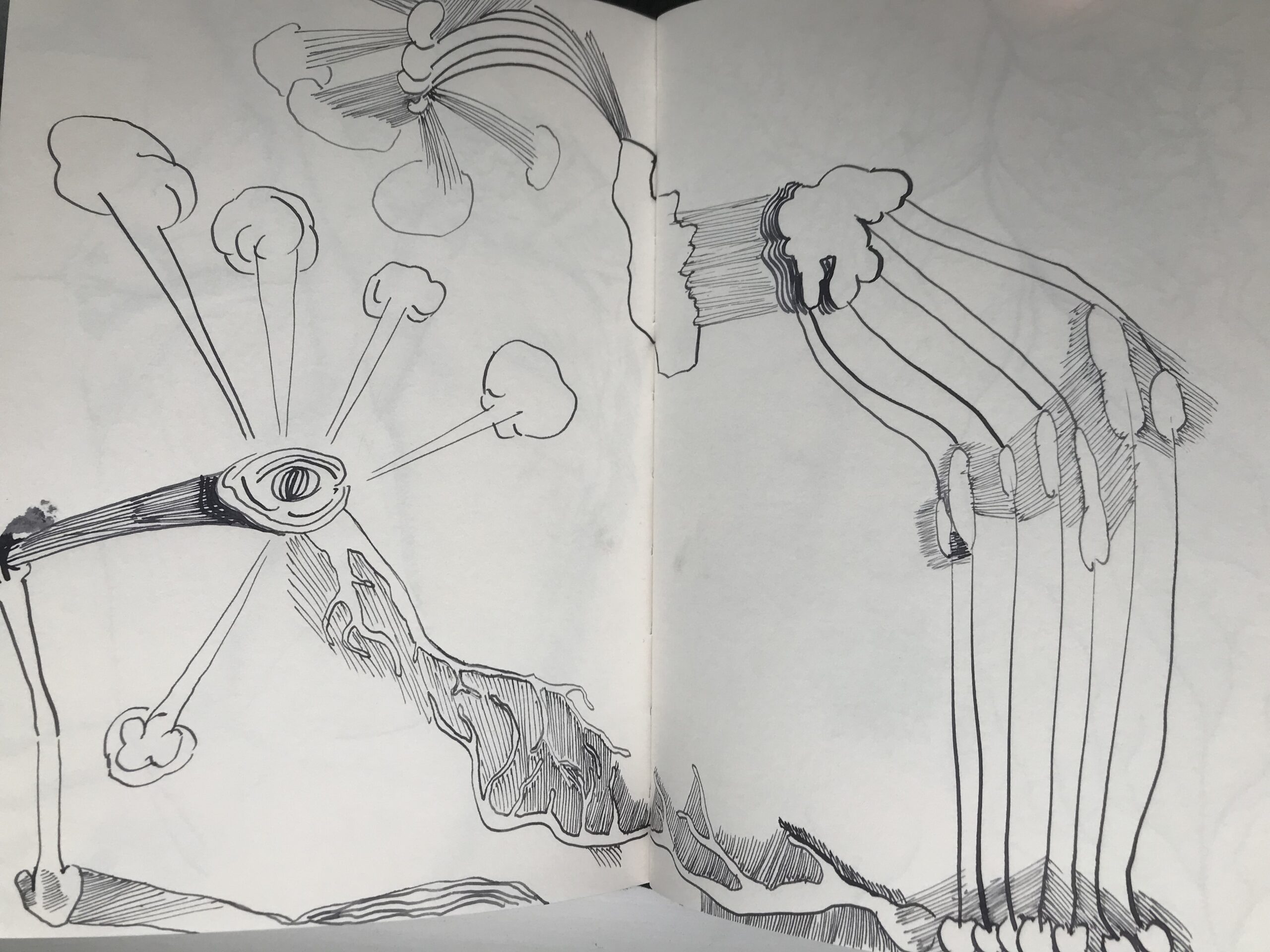
When starting a drawing, especially in a new sketchbook, we can often tense up in an effort to control the outcome and make it ‘look’ a certain way. In order to combat this, the first thing I do in new sketchbooks is make a page of random marks, smudges and spills, using anything I can get my hands on around me – ink, ballpoint pen, coffee etc – I’m not attached to any of it, just playing around and trying to make the most varied marks I can. Then I’ll go in with a pencil or pen and doodle over the top, just playing with what appears. This is a great way to loosen up and set the tone for the rest of the book.
3. Use unusual tools.
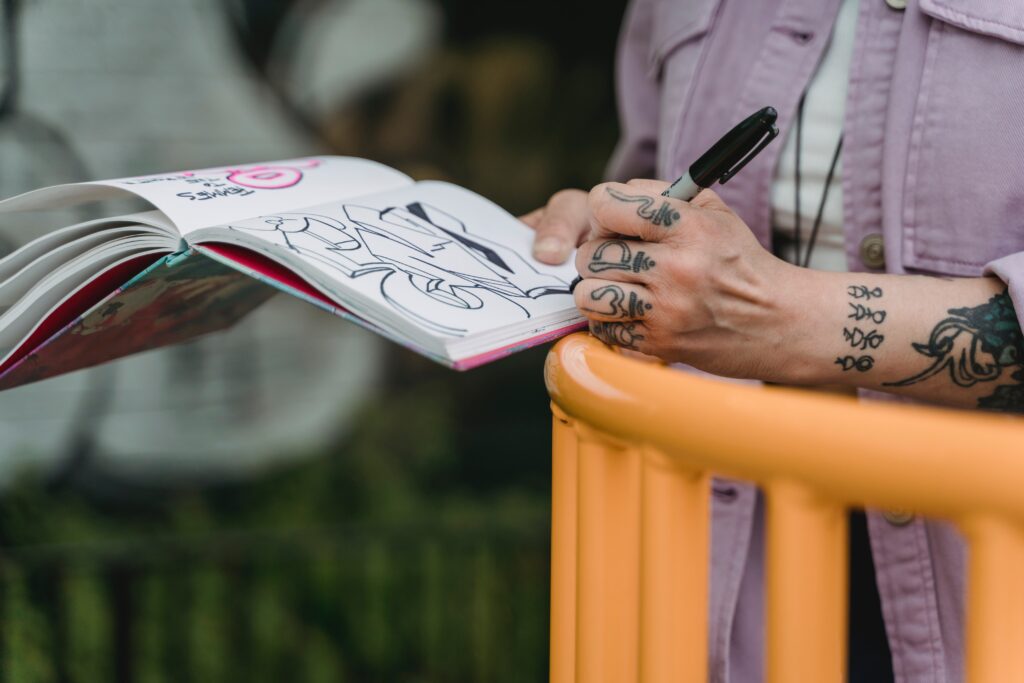
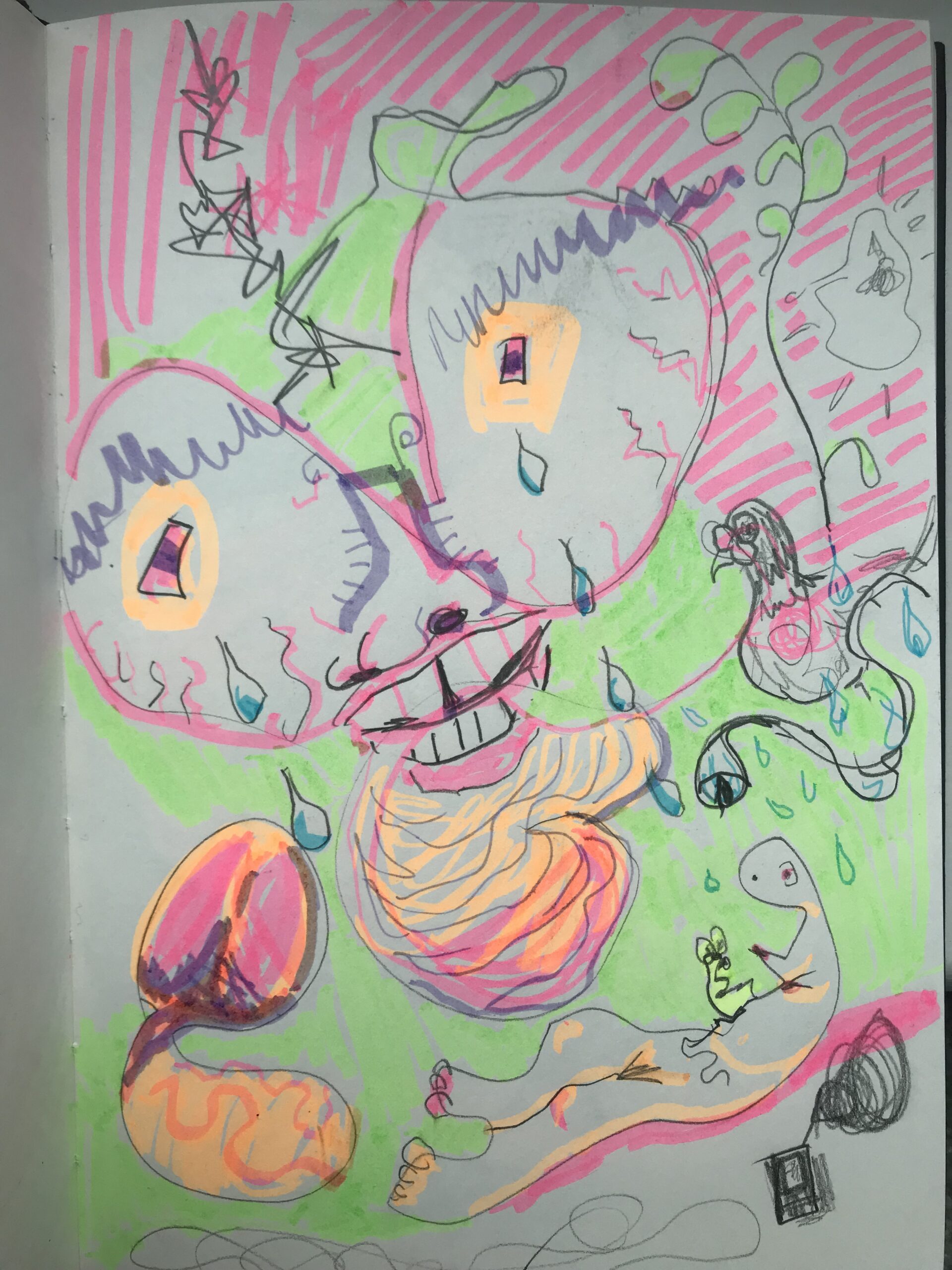
Pencils are wonderful things but it’s important to shake sketchbook ideas up by adopting other drawing methods too. I’m not talking expensive artist tools – random items from around the house can make some really interesting marks and colours when applied to paper. As I said above, coffee is something I always have to hand, which is great for splashing about on pages. Old make-up, nail-varnish, highlighters, spices from the kitchen, bleach (carefully..) – literally anything which makes a mark can be employed here. Even something as simple as sprinkling water over pen drawing will transform the lines into something else entirely. The goal is to be creative with what you have at hand and experiment with combining different media.
4. Collage onto sketchbook pages
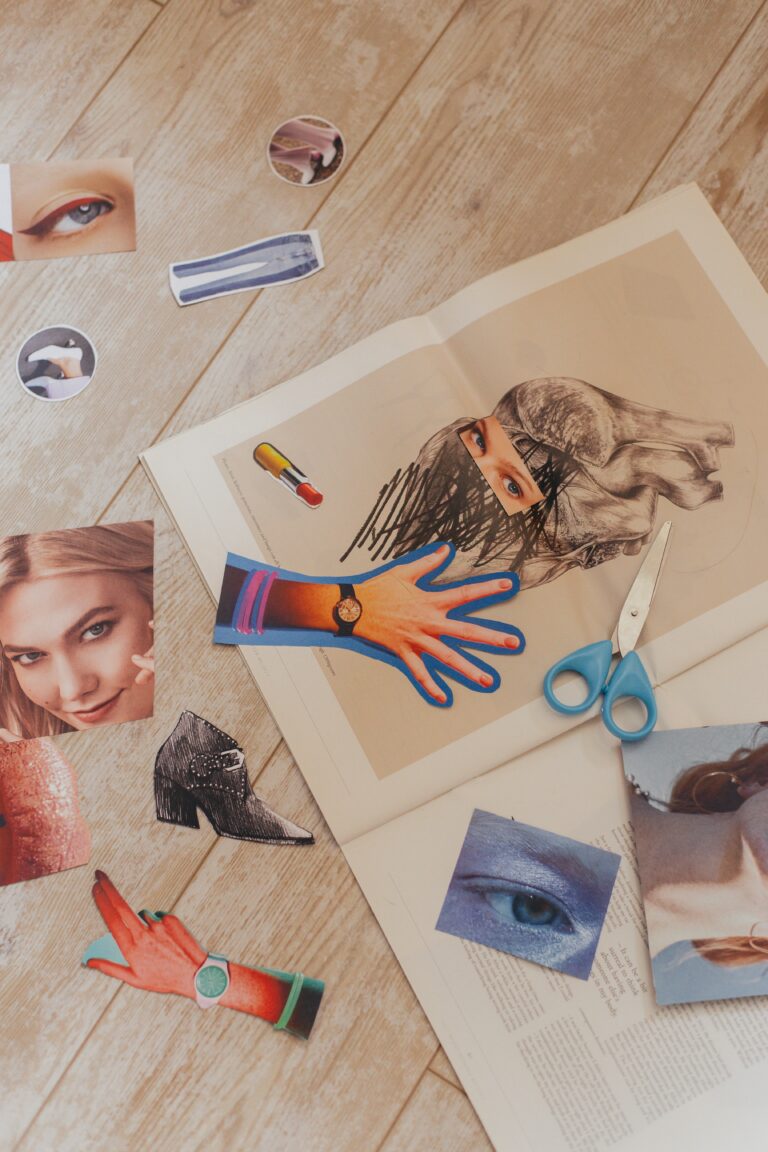
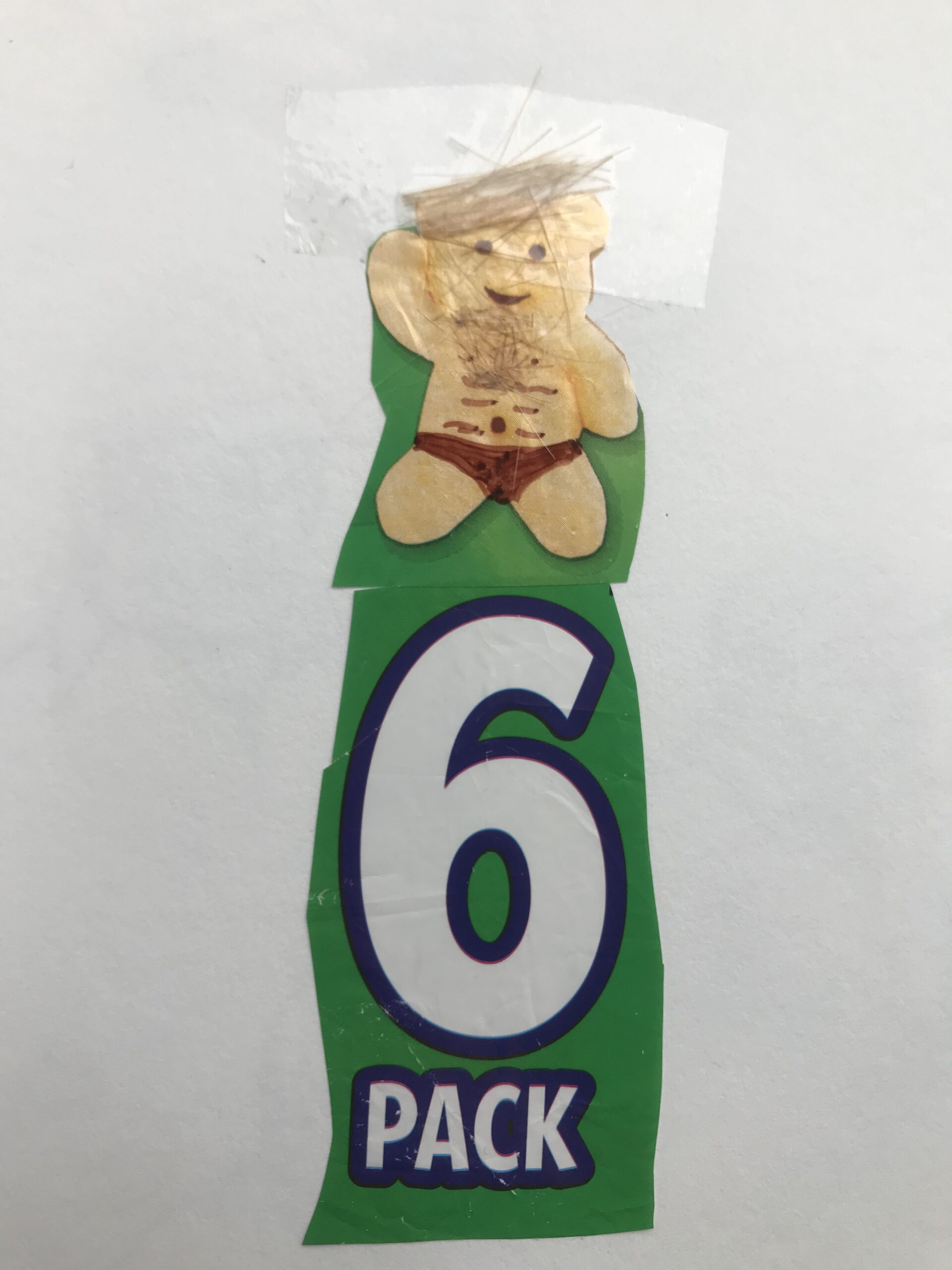
Collage has been my favourite way to create art for a long time. There’s something about combining 2 different kinds of image or material which makes my strange little brain explode metaphorically into a creative soup. It’s a very simple and immediate way to create something completely new, without a great deal of intensive labour. Like the last step, you can use anything to hand around you; flyers, magazines, newspapers, sweet wrappers, train tickets, receipts – and combine them with more traditional drawing materials like ink or pen. Just gather up a few bits which catch your eye and play around with joining them together on the page. Remember it doesn’t have to look like anything great – just playing with the colours, shapes and tones is enough.
The beautiful thing about this method is how things we’re so used to using and discarding in our everyday lives become part of the art, which actually helps to free up our drawing, as they’re not precious or costly materials. It can also be strangely satisfying to create something of value out of “rubbish”.
5. Use the sketchbook daily
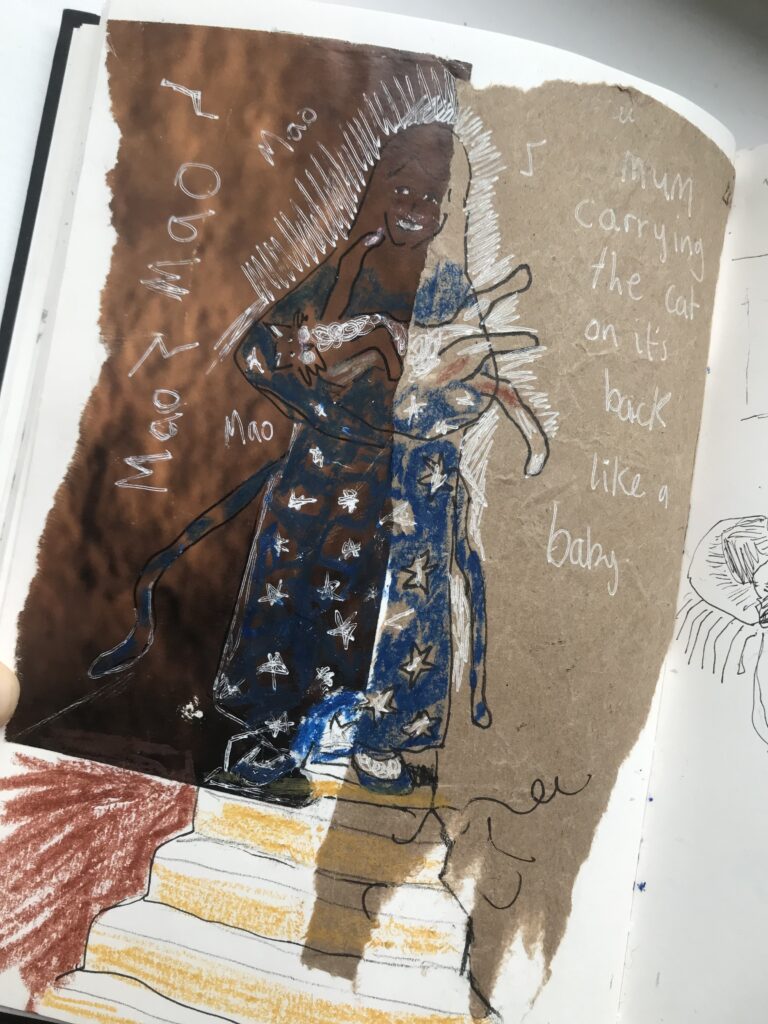
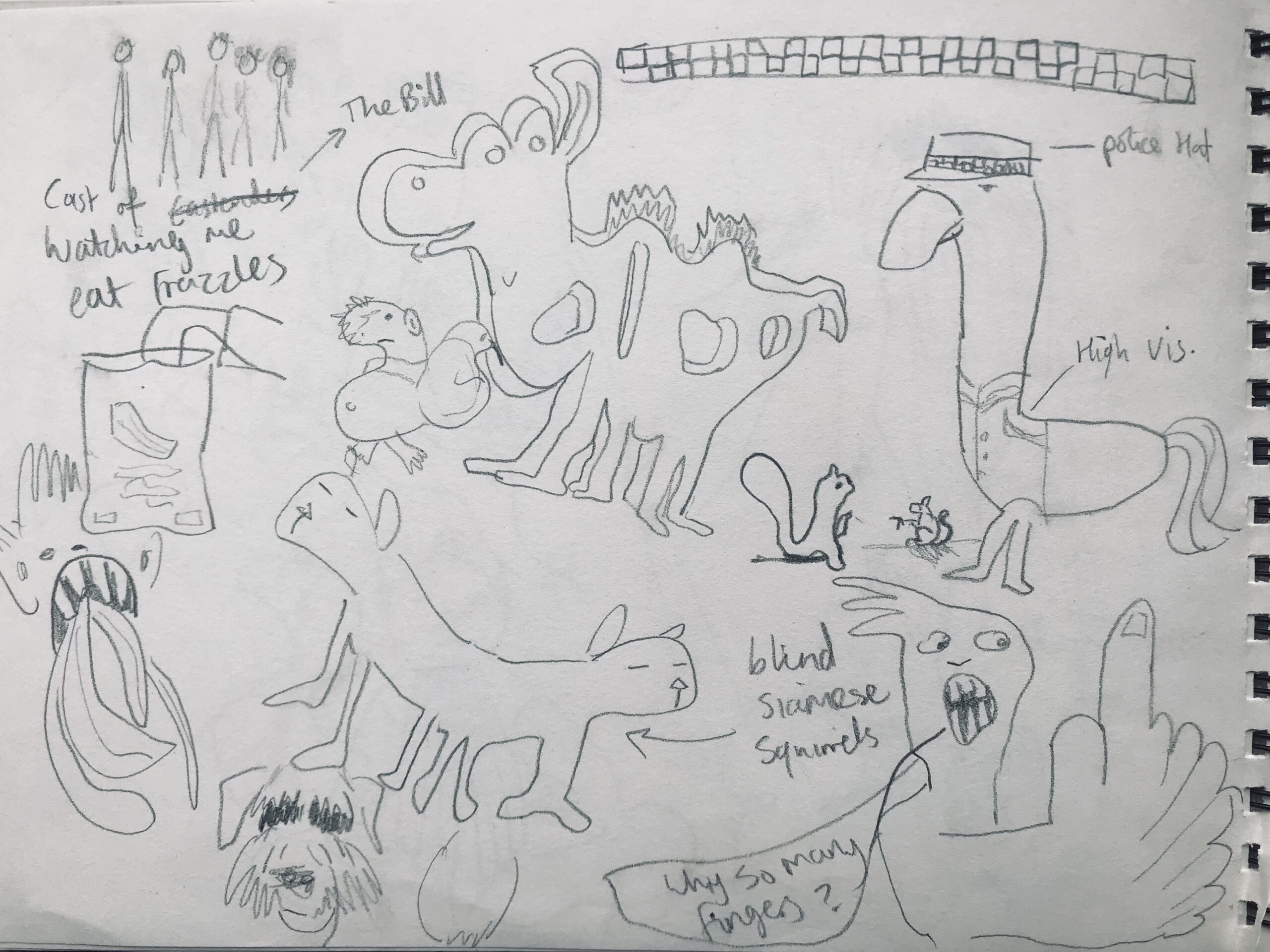
This can be a tough one to stick to. In the past I’ve been a classic case of an inconsistent sketch-booker, who goes through bouts of enthusiastic sketching followed by dry spells with very little going on. Life is hectic and I wouldn’t blame anyone for falling into this pattern too. However, I’ve found that the best way to keep my sketchbooks fresh and lively (and my overall art practice) is to use them regularly. It doesn’t have to be for any grand lengthy drawing projects – just a few minutes each day (or as often as you can) is enough to keep the creative wheels turning. As we’ve talked about already, it’s important not to be precious with sketchbooks, and consistent use of them can really help with this. Think of it as a kind of visual diary or notebook, where you can record things from your day. This doesn’t have to take the form of strict drawings of places or things around you – it could be a few marks and lines related to your feelings about something, or a page of colours you’ve seen somewhere. Literal written lines too can be useful – anything which gets your hand connected to the page for a bit and allows part of you out onto it.
Hopefully these simple steps can help you to get back into drawing and making things, with less fear of getting it wrong.
Remember, mistakes are good! Make ugly drawings. Don’t hold back for fear of messing things up. Although it sounds counter-intuitive, making bad drawings is a reliable way to know we’re on the right track; pushing boundaries and bettering our work.

Brilliant advice
Thank you 🙂 It helps me
Some solid advice. More Siamese squirrels please, blind or otherwise.
Thanks 🙂 The squirrels wrote it